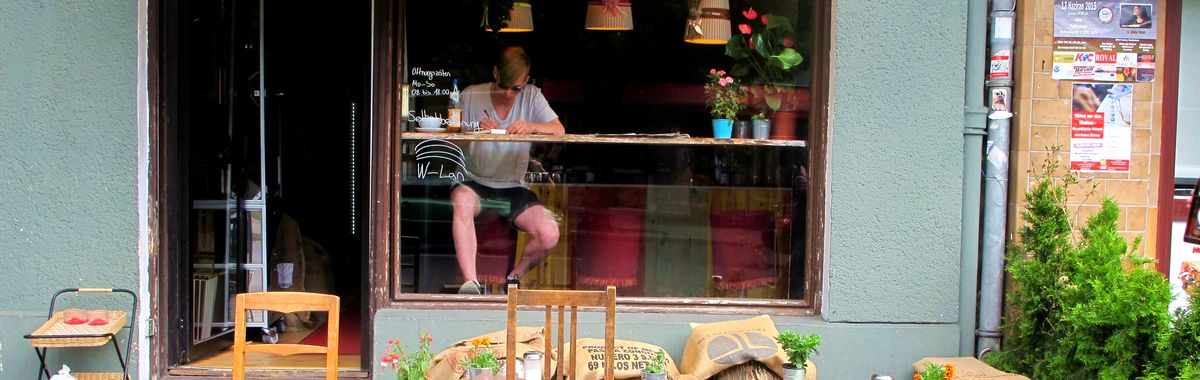
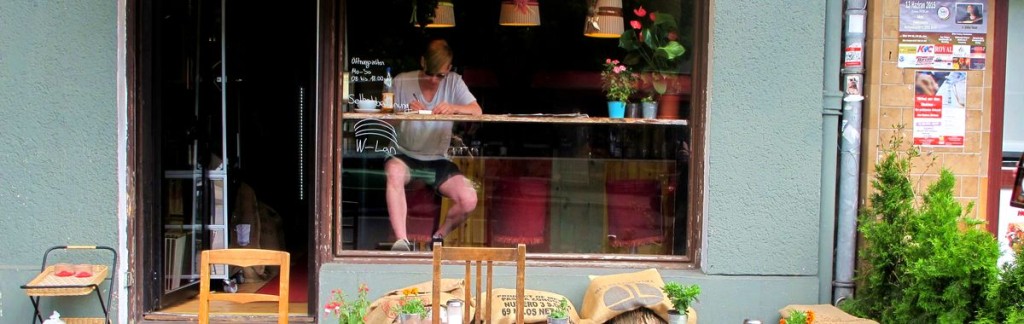
It is presumed to be the most colourful, multinational and omnicultural of Berlin’s districts: Neukölln, whose reputation – up to the not too distant past – could be considered controversial at best. Predominantly low-income (German) residents alongside a high rate of immigrants touching the 40 per cent mark have been benefitting from affordable rents and been trying to make ends meet remote from posh Berlin areas. Diverse beliefs; traditions; habits; tongues; skins or dress codes hailing from alien ethnic backgrounds not seldom ignite the precarious potential for social conflict. Better-off Berliners and visitors to the city alike preferred to stay at a safe distance for a reason. Yet, by avoiding the confrontation with a challenging reality, they simultaneously missed out on “glamour” of a quality only thriving in microcosms such as Neukölln.
Posts in category: Feature
Germany’s Blockbuster: Neuschwanstein Castle
When the King is a Queen
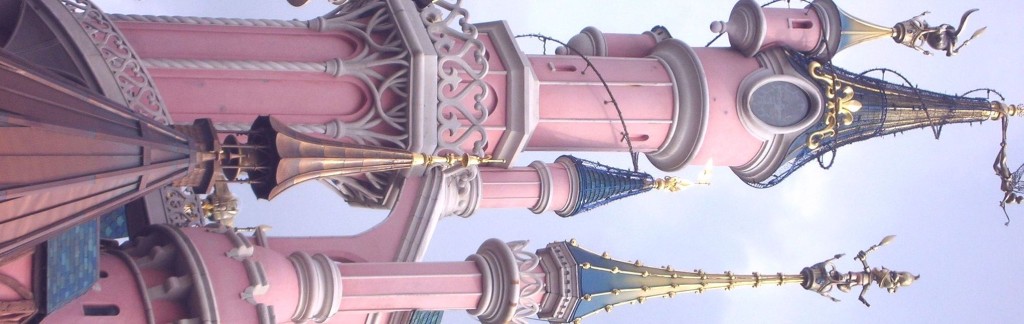
As is endorsed, Schloss Neuschwanstein, Germany’s prime tourist attraction perched on a steep rugged rock deep in Bavaria, served as a role model for what was to become the epitome of a castle eligible for the classical Disney story. Its silhouette was even chosen for the logo of the Walt Disney Studios. The elaborate palace is a real estate shrouded in ever-lasting mystery and thus an ideal venue for the incarcerated, bewitched or poisoned princess desperately waiting to be swept away by the handsome heir to whichever throne.
Limpopo: About rockefants, soaked cats and kidnapped termites
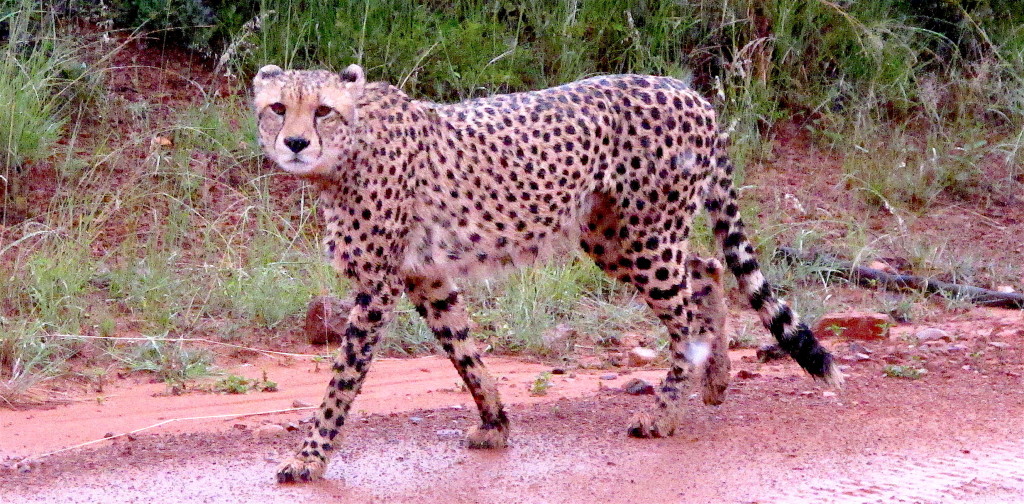
Murphy’s law. Sometimes – no matter how much goodwill may have been invested into planning – things just don’t work out the way they should. Take a wildlife safari, for instance and imagine this scenario: At the ungodly hour of four-thirty in the morning, when it is still pitch dark outside, one’s proper physical system has not gained momentum yet, the game reserve is 90 minutes away from the hotel, vision is limited, the vehicle’s irritated GPS fabricates unfathomable directions once the smoothly paved stretch ends and we turn off-road. Rain is pouring (pouring!). Aboard a forlorn minibus a bunch of drowsy members of the writing kind are resting their exhausted frames against foggy window panes and limply jump out of their seats involuntarily each time the bus rattles into a pothole with a thud. Or conquers another especially mean hump. And another.

White Turf: The „St. Moritz Roar“
Few places come to mind when the state of “perfect symbiosis” between a resort and its guests is being satisfied. St. Moritz is one of them. In by-gone decades, the glamorous guest list included Charles Chaplin, Greta Garbo, the Kennedy’s and the controversial Shah of Persia. Or actress Brigitte Bardot and Gunter Sachs in each other’s tow. All of them readily showcased themselves on this elitist alpine merry-go-round under the scrutinizing eye of the rainbow press. Whereas generations, nationalities and names on the sophisticated society chart prove exchangeable, the denomination „St. Moritz“ has reliably positioned itself as a sparkling gem safely embedded in craggy mountainous surroundings.
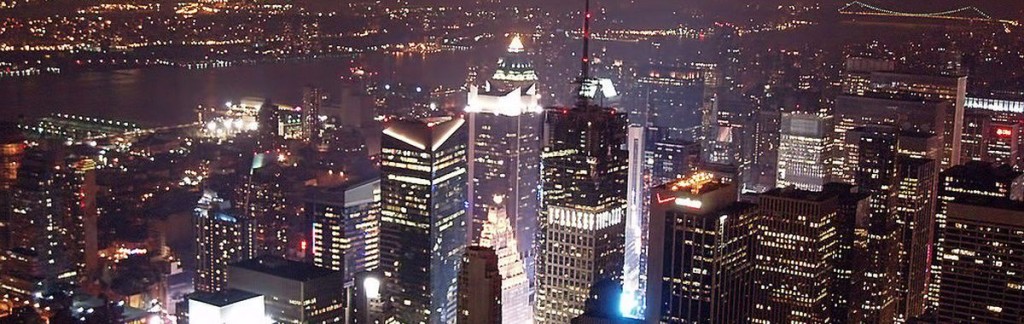
The Empire State Building: High ambitions
What’s feasible?
1929: „How high can you go so it won’t fall down?“ John Jakob Raskob (one of the executives representing the Empire State, Inc.) is said to have asked the architects of the prestigious new edifice, Shreve, Lamb & Harmon. The main objective being to devise the highest building not only of New York City, but of the entire world. Initially they had hoped that 80 daring storeys should suffice. Yet, there was a fierce mine-is-taller-than-yours competition going on in NYC in the first third of the 20th century and construction of the rivalrous Chrysler building was already in full swing when Raskob’s project just got started. Walter Chrysler’s building did become the tallest one, albeit temporarily. In the end, he was outraced by just a few meters of the finest Art Deco architecture shining brightly over 350, Fifth Avenue.