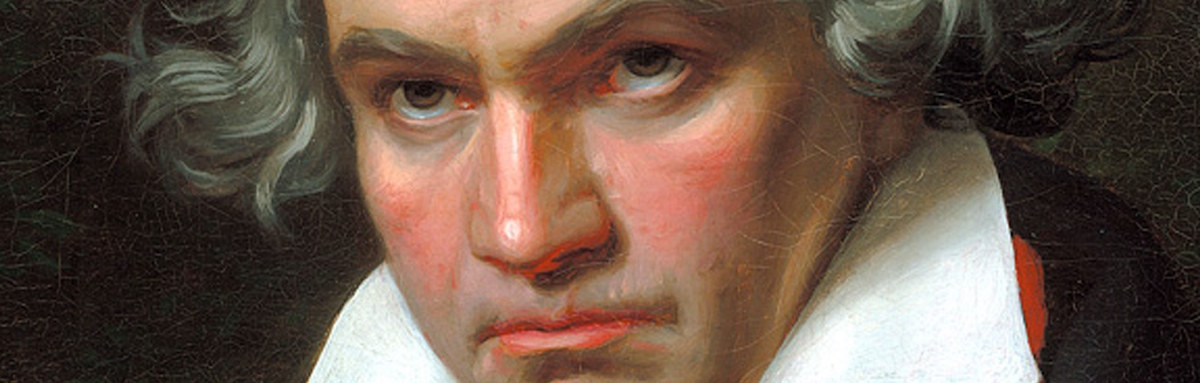

Whenever there is reason to celebrate on a festive scale, a dramatic sound scape must not be missing. Worldwide, solemn ceremonies are carried by Beethoven’s „Ode to Joy“ (Ode an die Freude), being played by enthusiastic orchestras and sung by effervescent choirs in front of a mesmerised audience. Since its debut in Vienna in 1824, the compassionate tune and emotional lyrics manifested themselves as the epitome of the brotherhood of man.
Posts about Heritage
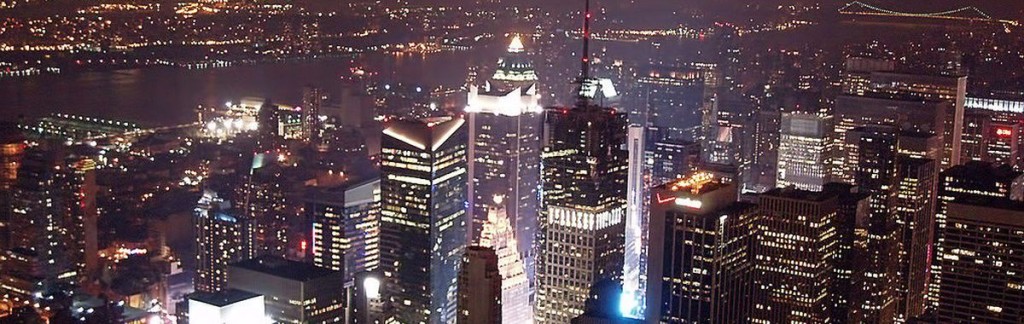
The Empire State Building: High ambitions
What’s feasible?
1929: „How high can you go so it won’t fall down?“ John Jakob Raskob (one of the executives representing the Empire State, Inc.) is said to have asked the architects of the prestigious new edifice, Shreve, Lamb & Harmon. The main objective being to devise the highest building not only of New York City, but of the entire world. Initially they had hoped that 80 daring storeys should suffice. Yet, there was a fierce mine-is-taller-than-yours competition going on in NYC in the first third of the 20th century and construction of the rivalrous Chrysler building was already in full swing when Raskob’s project just got started. Walter Chrysler’s building did become the tallest one, albeit temporarily. In the end, he was outraced by just a few meters of the finest Art Deco architecture shining brightly over 350, Fifth Avenue.
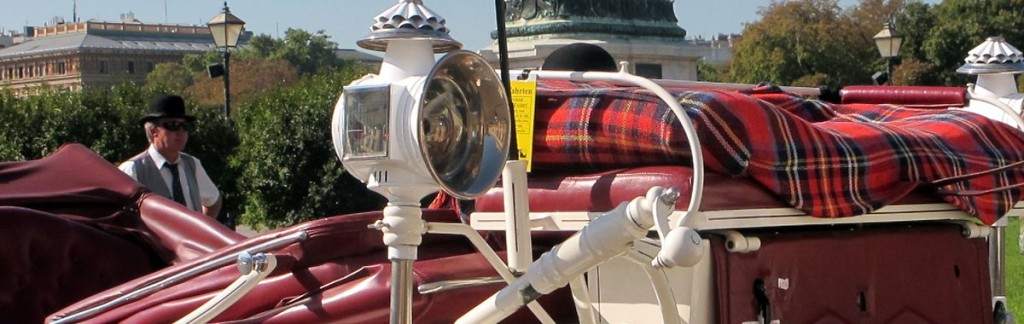
The science of coffee-brewing in Vienna
Coffee is not just an invigorating brew but rather a scientific field of expertise worth being explored. Barista Schools popping up the world over bear witness to the cognition that a cup of coffee is not something to be prepared in one’s stride. It is a challenge that deserves care and devotion at least as deep as is granted to the meticulously performed Asian Tea Ceremony.
Here in Vienna, each type of coffee is honoured with its individual cryptical name – the least one could have done for a treasure accidentally left by the Ottomans after their siege of Vienna in 1683. Apart from war and devastation, the Turks had brought along with them a culinary novelty Viennese citizens had later discovered in an abandoned Turkish camp: bags full of precious coffee beans. Jerzy Franciszek Kulczycki, a Polish-Lithuanian nobleman, had claimed the lot and opened Vienna’s first coffeehouse in the same year.
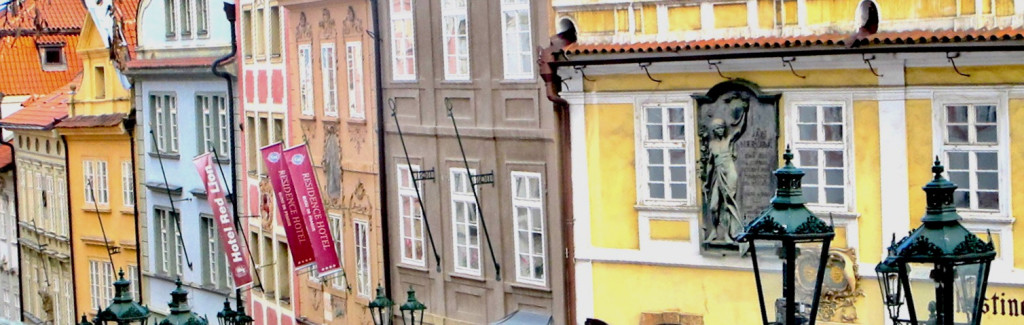
Dear Prague!
Don’t be shy to admit it: you are well aware of your striking looks! Uphill, downhill, along the Moldova with Smetana’s music resonating in one’s mind: walking your streets stands for a rewarding high-performance exercise for the senses – and for a bit of a challenge to the feet, too, I must say. To explore you from the core means treading historic grounds paved with cobble-stones hewn to all shapes and sizes. Yet, if the horses could cope with tricky surfaces on hooves back then, so can I in sensible footwear today. But, where to look first in this maze of wonder: left, right, up, down or around?
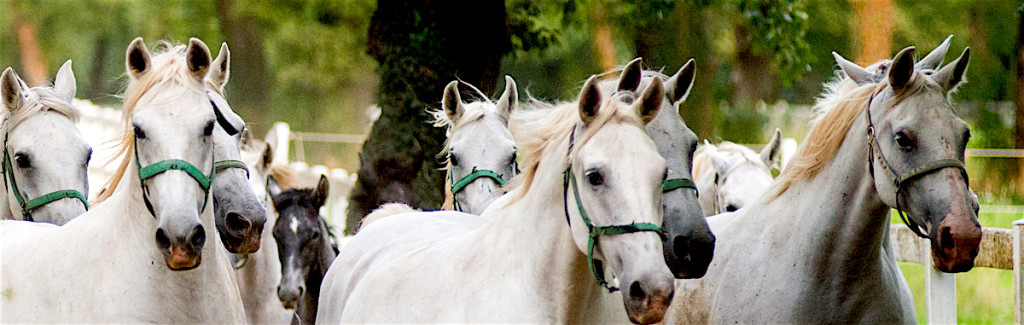
Lipica – the cradle of Lipizzaners
The Latin name equus ferus caballus may not ring any bells in minds other than the ones found in veteran equestrian circles. As Lipizzaners, the graceful snow-white horses are known for their sublime elegance when ballet-dancing according to a sophisticated choreography and largely admired for their seemingly light-footed stunts. Their legendary teachabiity has been displayed at the Spanish Riding School in Vienna for more than 450 years, showering the Lipizzaner breed with international fame. Up to 1920, the statuesque stallions performing in Vienna were bred at the Lipica Stud Farm in Slovenia. Today, the stud embodies a planet in its own right, where breeding is maintained – and treasured – with undiminished sincerity and passion since the estate was founded in the 16th century.