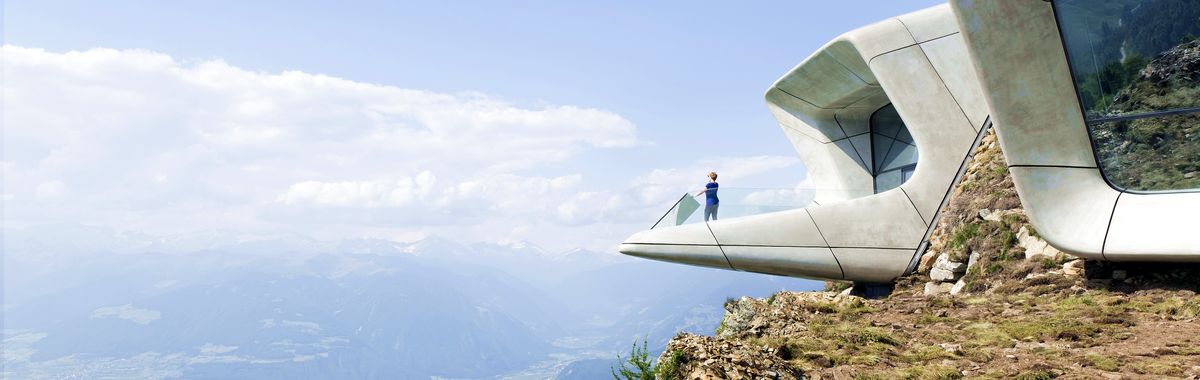

Admittedly, it takes a bit of an effort to get there, especially from far-away countries. But then again: Who says that the good things in life are to be had in passing? Ask Reinhold Messner: If there were more „eight-thousanders“ to be conquered, he would most likely have done so and still always have chosen the most challenging variety of ventures. Similarly extraordinary and not seldom daring, are Zaha Hadid’s († 2016) architectural structures which reliably become prized icons one by one – wherever and for whichever purpose they may have been established. The intriguing element uniting the random duo seems to be that reaching for the skies is an inborn ambition, and that achieving the utmost a natural consequence. Both personalities’ visions and disciplines merged, result in remarkable projects such as the Corones Museum, submerged into the South Tyrolean peak of Mount Kronplatz 2,275m above sea level.
Posts about Destinations
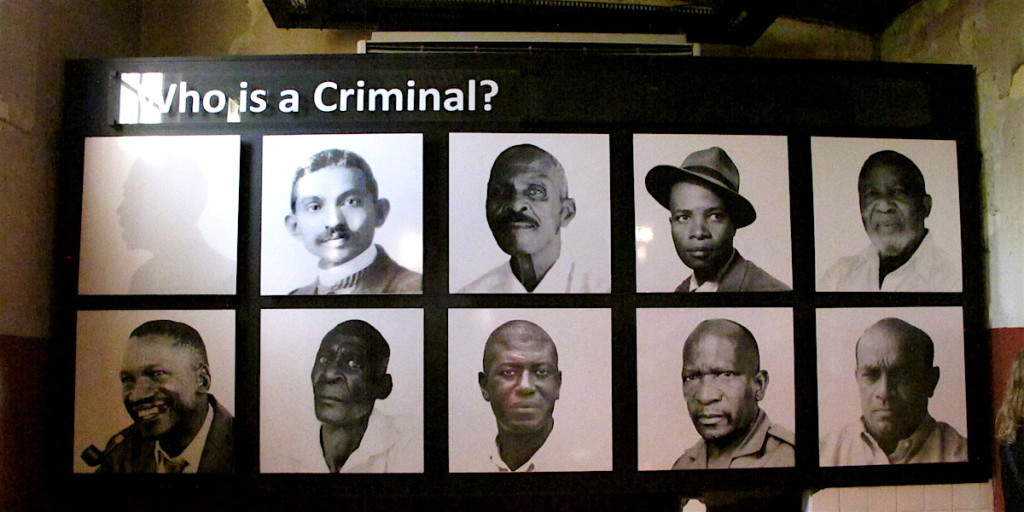
Johannesburg: Constitution Hill
Before setting off on a journey to foreign latitudes, a general plan of action seems a reasonable idea. When time and funds are limited, the most has to be made of both. The aim is an agreeable cocktail of experiences upon whose long-lasting effect individual memories and emotions can foster. Sometimes even carefully charted programmes are missing a vital link. One that takes travellers back into a country’s historical and political past, grim as it may have been. Then it will be understood why the past is inseparable from the present and the future and why landmarks such as Joburg’s Constitution Hill epitomise the lifeblood of an entire nation.

It’s all about perception: Gianluca Gimini’s bikes
Drawing objects from memory can be a tricky affair not seldom crowned by a shattering outcome. Bringing even the most familiar of items to paper free-style may turn into an insoluble challenge. Yet unintentionally, it does occasionally (or frequently?) lead to astonishing creations – and to the „construction“ of somewhat adventurous contraptions. Such as the bikes computer-simulated by Italian designer Gianluca Gimini according to sketches made by a random group of people. He had confronted them with one simple task: to draw a men’s bike by heart.
Dear Prague!
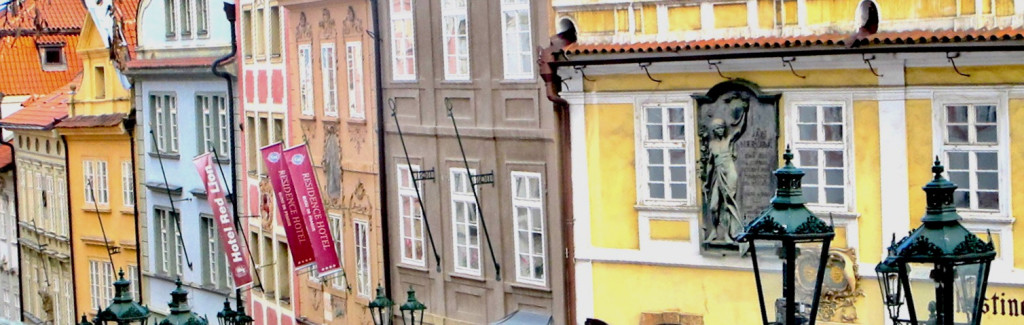
Don’t be shy to admit it: you are well aware of your striking looks! Uphill, downhill, along the Moldova with Smetana’s music resonating in one’s mind: walking your streets stands for a rewarding high-performance exercise for the senses – and for a bit of a challenge to the feet, too, I must say. To explore you from the core means treading historic grounds paved with cobble-stones hewn to all shapes and sizes. Yet, if the horses could cope with tricky surfaces on hooves back then, so can I in sensible footwear today. But, where to look first in this maze of wonder: left, right, up, down or around?
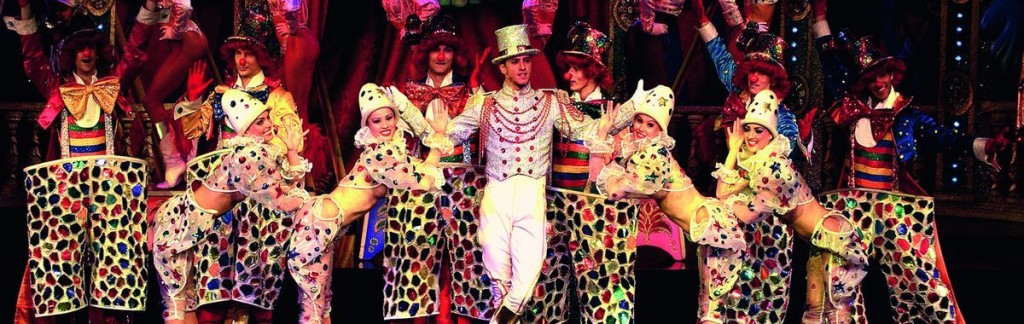
Paris. Montmartre – a sphere in its own right
The Making of a Bohemian Microcosm
Montmartre evolved following a massive urban reconstruction and relocation scheme initiated by a great man of the 19th century: Napoleon III. Together with his ambitious town planning prefect Baron Haussmann, he aimed at creating a mundane Paris of dazzling allure and wanted it to become „the most beautiful city of Europe“ – not without granting spacious plots of land in prime locations to Haussmann, his many friends and financial supporters. By rigorously stomping unsightly areas into the ground and by replacing humble housing by posh manorial edifices and narrow crooked alleyways by grandiose and airy boulevards and squares, Paris’s face was substantially lifted and embellished – albeit at the expense of the less privileged population, who became early victims of gentrification.