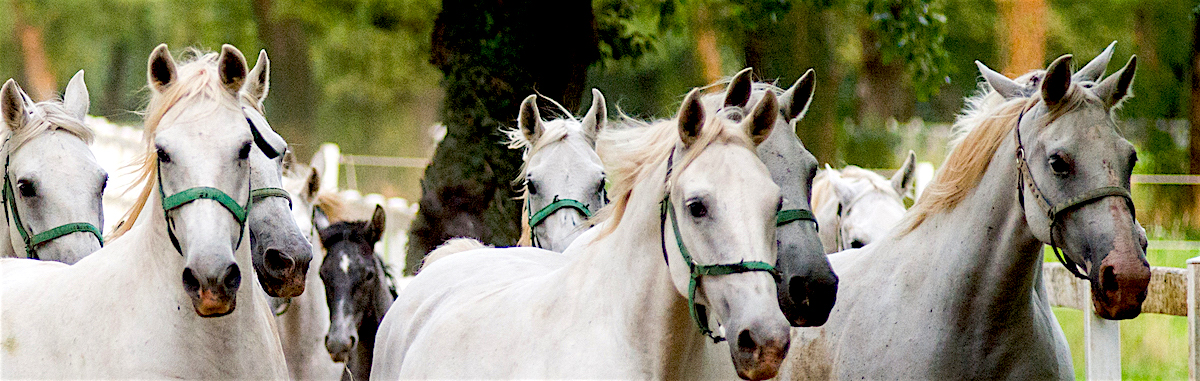
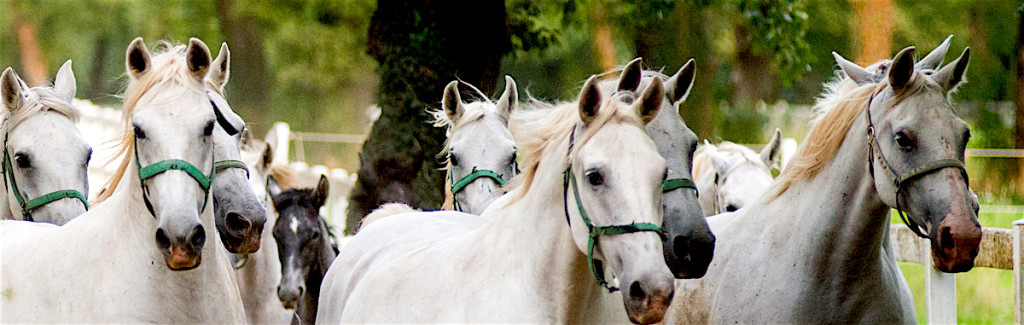
The Latin name equus ferus caballus may not ring any bells in minds other than the ones found in veteran equestrian circles. As Lipizzaners, the graceful snow-white horses are known for their sublime elegance when ballet-dancing according to a sophisticated choreography and largely admired for their seemingly light-footed stunts. Their legendary teachabiity has been displayed at the Spanish Riding School in Vienna for more than 450 years, showering the Lipizzaner breed with international fame. Up to 1920, the statuesque stallions performing in Vienna were bred at the Lipica Stud Farm in Slovenia. Today, the stud embodies a planet in its own right, where breeding is maintained – and treasured – with undiminished sincerity and passion since the estate was founded in the 16th century.
Posts about Venues

South Australia: All-rounder Adelaide
Where the living is easy, fish are jumping and the conferencing is green
The dynamic city of Adelaide, situated west of where the cotton is high on the Australian continent, seems to have struck it lucky in many respects. Blessed not only with a mild, mediterranean climate and the flattering reputation of being cultured and inspiring, its fortunate citizens also benefit from a value-for-money ratio that allows them to maintain a pleasant and easy-going existence in a safe and clean environment close to a deep-blue sea brimming with resources. Adelaide also throws the frequent mouth-watering feast or festival, lushly catering to the gourmet side of life, and is thus rightly considered South Australia’s undisputed capital of fine cuisine and a good drop of wine here and there. Renowned wine regions – such as the Barossa – are a mere stone’s throw from the city.
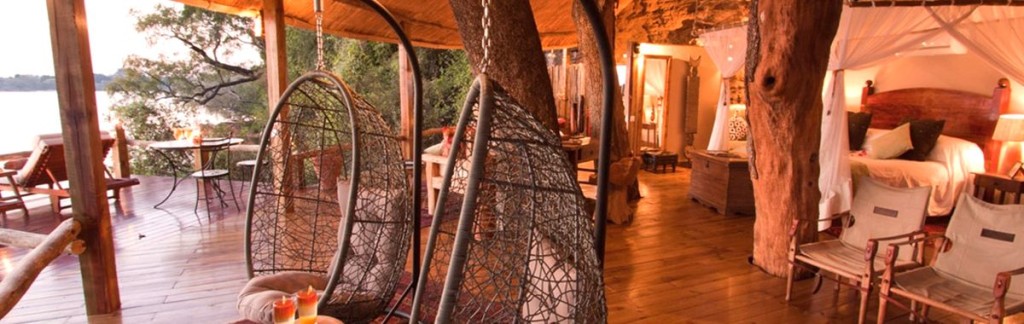
A global trend: Glamorous Camping = Glamping
No tent to pitch, no sleeping bag to unroll
In the history of man’s evolution, „up the tree – and quickly!“ seemed a splendid option when it came to escaping from all sorts of bloodthirsty evil inadvertently popping up from nowhere. In order not to be devoured, predominantly benign early humans, hunting and gathering relentlessly, just followed their instinct. Enabled by helpful tools shaped from stone, hammered from bronze or cast from iron in later ages, the long-hatched dream of a safe permanent dwelling high up a tree did come true. Second best to the cosiness of easily defendable caves, the properly fastened tree-house offered lofty shelter, an ideal lookout for invaders and food protection from voracious scavengers – whereby the odd poisonous snake or spider moving in unasked had to be tolerated.

A museum for Tintin, the Belgian hero
Hergé: Master of the Comic Strip
Georges Prosper Remi – born in Etterbeek/Brussels on May 22nd of 1907 – became a renowned cartoonist who chose to sign his drawings with the pseudonym Hergé (RG), standing for his initials read backwards. The adventures of his heroes Tintin and Snowy were first published in 1929 – and nothing could impede their rapid ascent nor weaken their lasting worldwide success. Their exciting feats were translated into numerous languages and devoured by hundreds of millions of readers – notwithstanding their age. The constant flow of Hergé’s inspiration sprang from the reality situations of everyday life, a reliable source likely never to run dry. Before founding his Studios, Hergé, the productive artist, accomplished the challenge of his unique creative mission as a solitary fighter for more than two decades. Georges Remi died in 1983. The artist’s legacy comprises a wealth of works of impressive diversity in its distinctive unequivocal style. It is displayed at the Hergé Museum in Louvain-la-Neuve near Brussels in the Belgian region of Walloon Brabant.
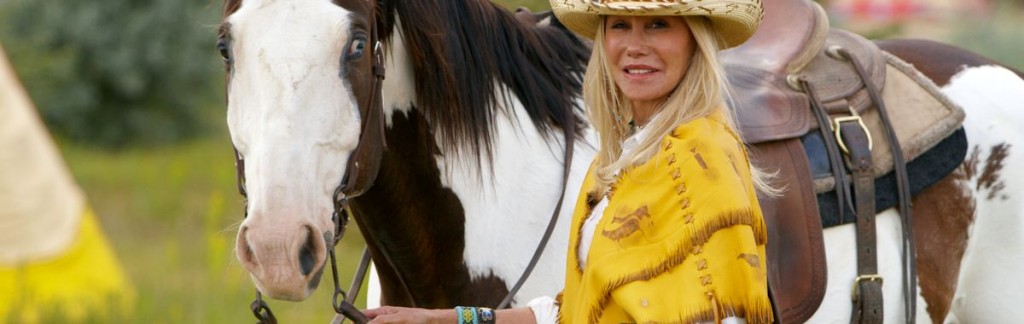
Saving America’s Mustangs
Madeleine Pickens is a businesswoman, animal welfare activist and philanthropist of European descent. When, in 2008, the Bureau of Land Management declared that the United States government considered euthanasia and/or the sale of more than 30,000 Wild Mustangs to slaughterhouses overseas, Madeleine resolved to establish a sanctuary for endangered native horses. A year later, Madelene testified before the United States House of Representatives Subcommittee on National Parks, Forests and Public Lands in support of H.R. 1018, the Restoring Our American Mustangs (ROAM) Act. After acquiring the sanctuary in North Eastern Nevada, she saved over 600 Mustangs from slaughter and endeavours to rescue and preserve the Wild Mustang have been an ongoing process. Also, until this day, the sanctuary’s survival relies on Madeleine’s charity foundation „Saving Americas Mustangs“, through which the funding for the Mustang Monument Eco-Resort and Preserve could be raised. A series of recurring obstacles had to be overcome before the resort could be run according to plan.
Saving America’s Mustangs is a not-for-profit organization accepting donations (tax-deductible).