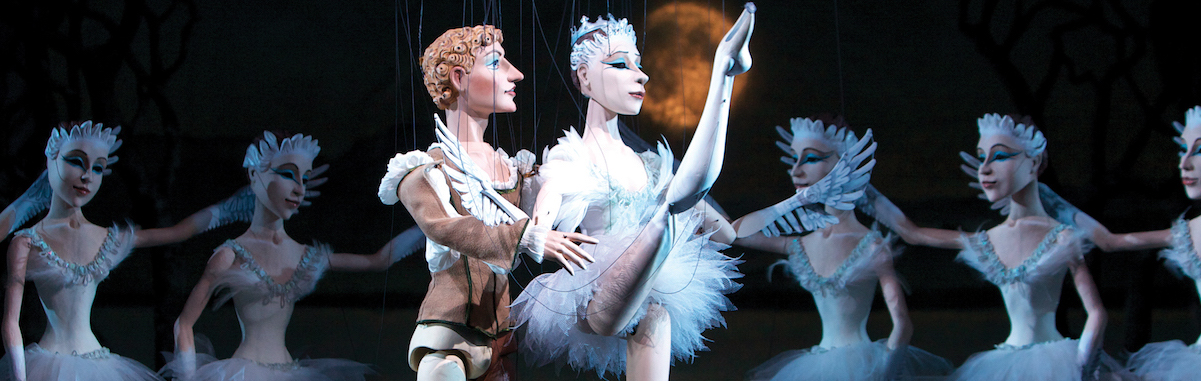
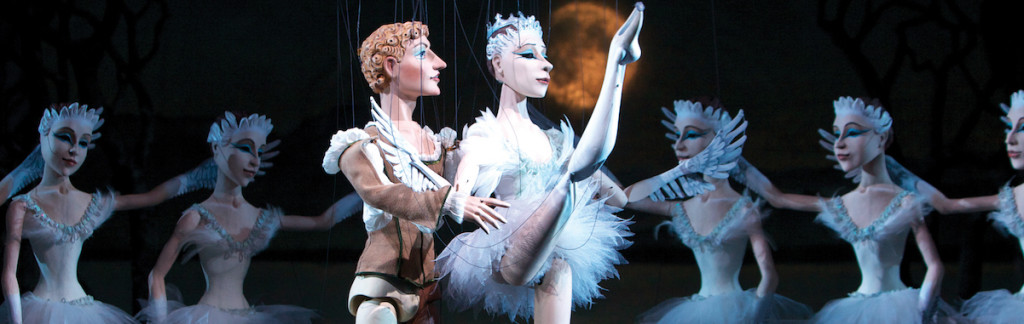
When these shapely legs are swung high during the rehearsal for the Swan Lake performance, they are not made of flesh and blood. Nor, in fact, are any of the lissome corporal parts belonging to the remarkable cast acting on the miniature stage of the Lindau Marionette Opera (House): they are puppets on strings choreographed and directed with an expertise and finesse that leaves any audience open-mouthed with bafflement. And that doesn’t just account for the ballet troupe bobbing their tutus in tune with Tchaikovsky’s legendary Swan Lake ballet: there are works by Mozart, Verdi, Rossini, Strauss, Bizet and Humperdinck on the programme as well. But, how is it accomplished to elicit credible emotions from actors sculpted from wood? Carving features to augment the illusion of changing mien is the craftsmanship their creators are excelling at!
Posts about Venues
Oktoberfest Munich: O’zapft is’!
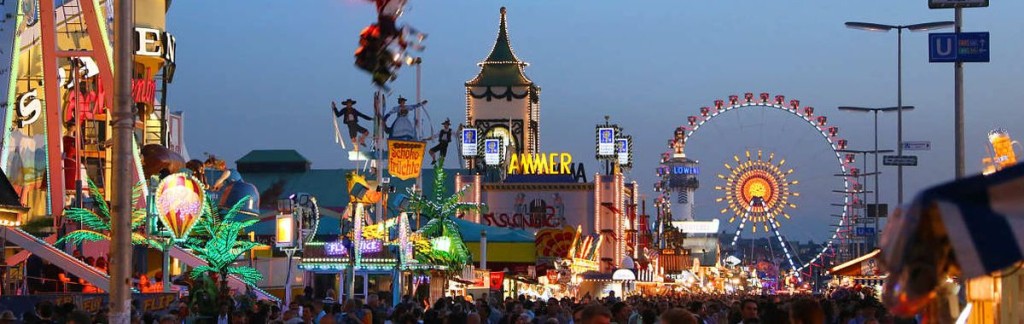
On Saturday, September 20th, 2025 at high noon sharp Munich’s Lord Mayor will once again ceremonially exclaim: ‘It’s tapped!’ The Oktoberfest, a festival recurring for the 190th time, has been exerting its magnetism on the crowds since 1810. It means huge fun for regular folks, works as an illustrious place-to-be-seen for celebrities of all shapes, sizes and financial prowess and could even enhance or jog a career of one trade or another. And it serves as a welcome runway for the presentation of suitably traditional garb (such as Dirndl, Lederhos’n or Lodenjanker) – or for a rare species of couture whose daring crossover creations are at times hard to swallow for the more conservative.

Messner meets Hadid: The Corones Museum in South Tyrol
Admittedly, it takes a bit of an effort to get there, especially from far-away countries. But then again: Who says that the good things in life are to be had in passing? Ask Reinhold Messner: If there were more „eight-thousanders“ to be conquered, he would most likely have done so and still always have chosen the most challenging variety of ventures. Similarly extraordinary and not seldom daring, are Zaha Hadid’s († 2016) architectural structures which reliably become prized icons one by one – wherever and for whichever purpose they may have been established. The intriguing element uniting the random duo seems to be that reaching for the skies is an inborn ambition, and that achieving the utmost a natural consequence. Both personalities’ visions and disciplines merged, result in remarkable projects such as the Corones Museum, submerged into the South Tyrolean peak of Mount Kronplatz 2,275m above sea level.
Dear Prague!
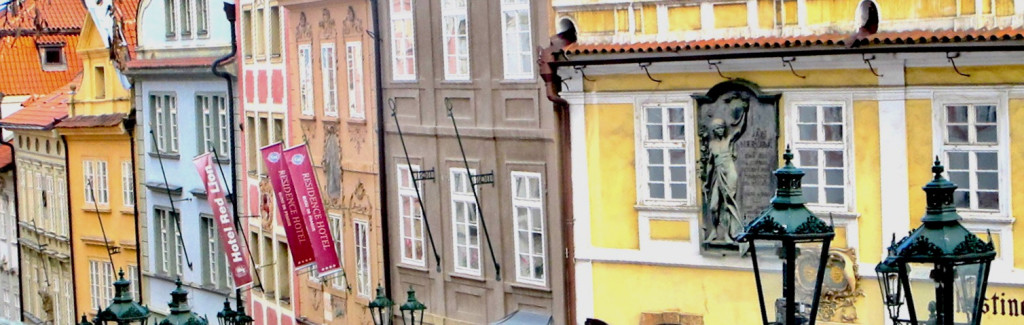
Don’t be shy to admit it: you are well aware of your striking looks! Uphill, downhill, along the Moldova with Smetana’s music resonating in one’s mind: walking your streets stands for a rewarding high-performance exercise for the senses – and for a bit of a challenge to the feet, too, I must say. To explore you from the core means treading historic grounds paved with cobble-stones hewn to all shapes and sizes. Yet, if the horses could cope with tricky surfaces on hooves back then, so can I in sensible footwear today. But, where to look first in this maze of wonder: left, right, up, down or around?
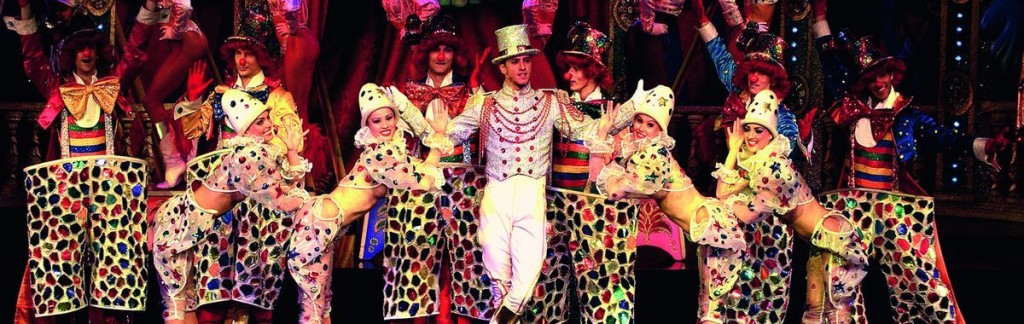
Paris. Montmartre – a sphere in its own right
The Making of a Bohemian Microcosm
Montmartre evolved following a massive urban reconstruction and relocation scheme initiated by a great man of the 19th century: Napoleon III. Together with his ambitious town planning prefect Baron Haussmann, he aimed at creating a mundane Paris of dazzling allure and wanted it to become „the most beautiful city of Europe“ – not without granting spacious plots of land in prime locations to Haussmann, his many friends and financial supporters. By rigorously stomping unsightly areas into the ground and by replacing humble housing by posh manorial edifices and narrow crooked alleyways by grandiose and airy boulevards and squares, Paris’s face was substantially lifted and embellished – albeit at the expense of the less privileged population, who became early victims of gentrification.