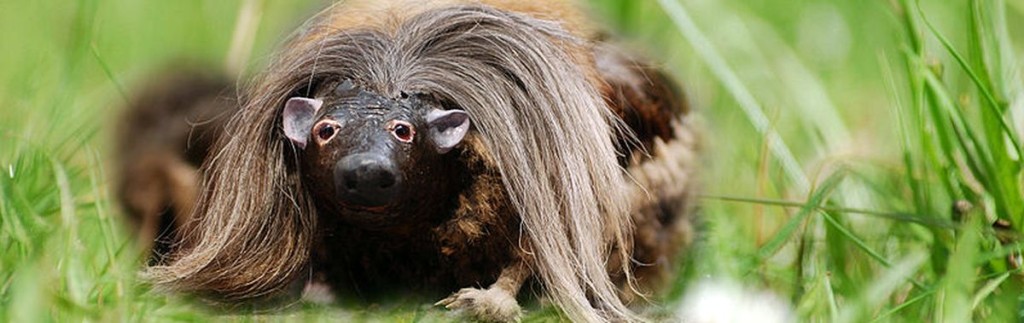
Bringing down the rare Haggis scotticus – the Wild Haggis – to secure the next traditional Haggis meal – requires utmost agility and perseverance by human persecutors equipped with equally-measured lower extremities. One must know that Wild Haggii vary in characteristics and that it is two different genera who roam steep and rough highlandish terrain. In both cases the legs on their left are different in length from the ones on their right – and vice versa. Either way, their unusual physique allows them to swiftly climb and scuttle around their regular habitat unperturbed by topographical challenges, albeit in one single direction only: Wild Haggii featuring longer legs on the left, move around clockwise, whereas the ones relying on extended limbs on their right, will logically proceed counter-clockwise. A refined GPS system usually prevents painful head-on collisions and all Haggii, limbed in whichever fashion, are said to lead a fairly peaceful coexistence.
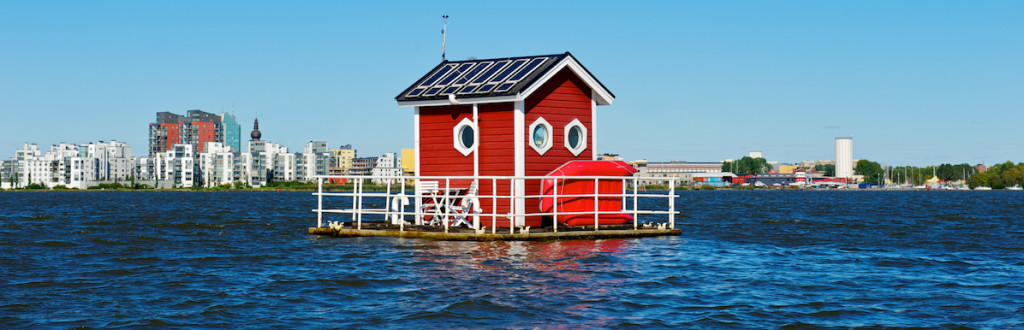
Snuggling up in Sweden: A semi-submarine Lilliput Hotel
Who needs posh?! Would a minimalist wooden cabin – bobbing on Swedish waters – with an interior reduced to bare necessities not suffice as well? Hotell Utter Inn, a pocket-sized lodging solution near Västerås, was conceived by local artist Mikael Genberg and built in 2000. It not merely floats, but virtually represents an islet in its own right. The tiny upstairs-downstairs affair has no immediate neighbours intruding into whatever one might be up to and is always encircled by a refreshing breeze to help cool off a reeling mind. Privacy of a similar quality is rarely to be had this close to civilisation.
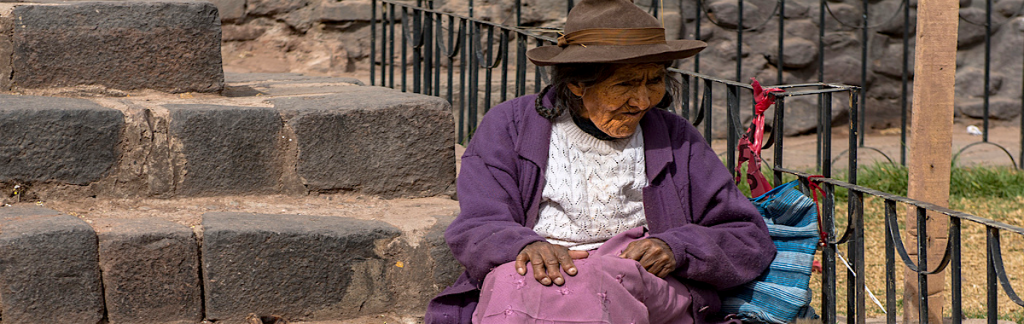
Longevity: The Blue Zones Methusalem Enigma
The quality of longevity is being discussed in controversial ways. Whereas the goal set by the ones optimistic of their (ever-)lasting physical and mental stamina is reaching an age of biblical extent, others would rather see themselves passing away at the height of their beauty, wit and grit – just in time, so to say. For them, the outlook on being left helplessly wilting in a forlorn nursery home or as an undead vegetable plugged to the wonders of life-prolonging contraptions, is utterly unbearable. Not to hope for heavenly conditions on earth seems the more realistic approach since, commonly, just-in-time rarely happens.
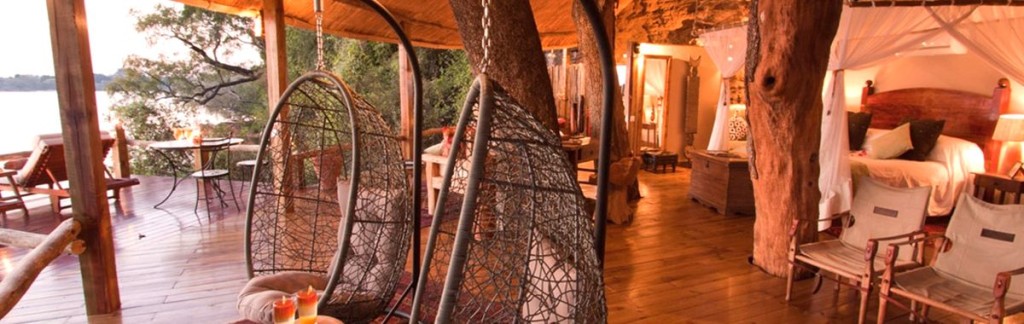
A global trend: Glamorous Camping = Glamping
No tent to pitch, no sleeping bag to unroll
In the history of man’s evolution, „up the tree – and quickly!“ seemed a splendid option when it came to escaping from all sorts of bloodthirsty evil inadvertently popping up from nowhere. In order not to be devoured, predominantly benign early humans, hunting and gathering relentlessly, just followed their instinct. Enabled by helpful tools shaped from stone, hammered from bronze or cast from iron in later ages, the long-hatched dream of a safe permanent dwelling high up a tree did come true. Second best to the cosiness of easily defendable caves, the properly fastened tree-house offered lofty shelter, an ideal lookout for invaders and food protection from voracious scavengers – whereby the odd poisonous snake or spider moving in unasked had to be tolerated.

A museum for Tintin, the Belgian hero
Hergé: Master of the Comic Strip
Georges Prosper Remi – born in Etterbeek/Brussels on May 22nd of 1907 – became a renowned cartoonist who chose to sign his drawings with the pseudonym Hergé (RG), standing for his initials read backwards. The adventures of his heroes Tintin and Snowy were first published in 1929 – and nothing could impede their rapid ascent nor weaken their lasting worldwide success. Their exciting feats were translated into numerous languages and devoured by hundreds of millions of readers – notwithstanding their age. The constant flow of Hergé’s inspiration sprang from the reality situations of everyday life, a reliable source likely never to run dry. Before founding his Studios, Hergé, the productive artist, accomplished the challenge of his unique creative mission as a solitary fighter for more than two decades. Georges Remi died in 1983. The artist’s legacy comprises a wealth of works of impressive diversity in its distinctive unequivocal style. It is displayed at the Hergé Museum in Louvain-la-Neuve near Brussels in the Belgian region of Walloon Brabant.