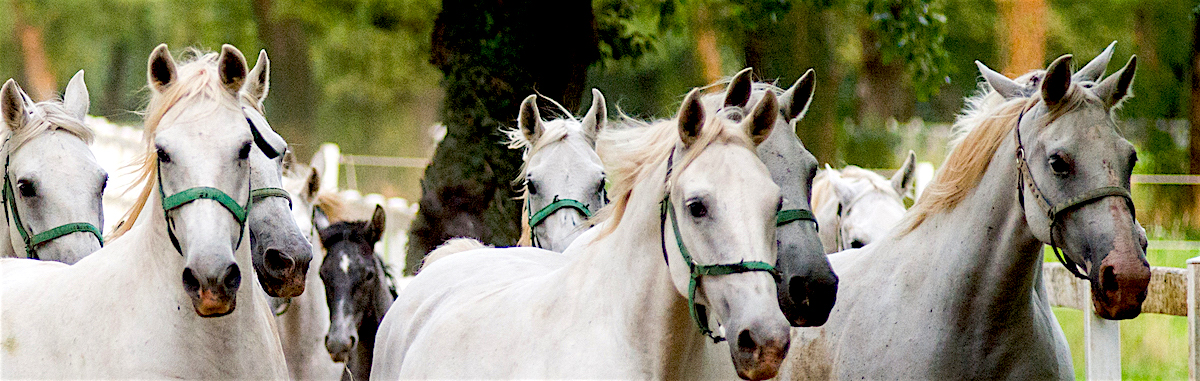
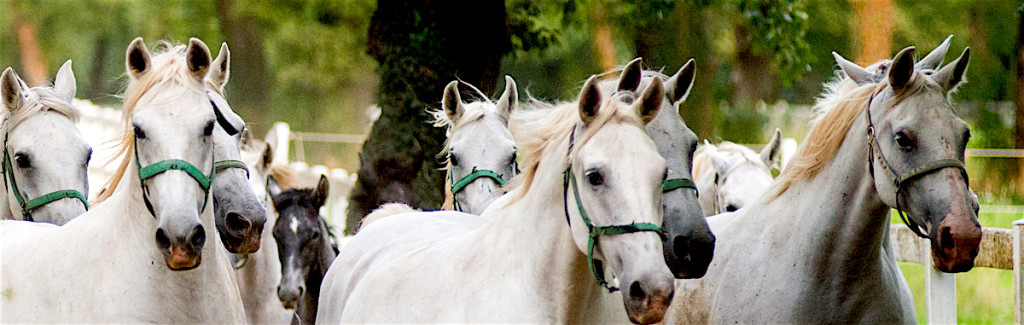
The Latin name equus ferus caballus may not ring any bells in minds other than the ones found in veteran equestrian circles. As Lipizzaners, the graceful snow-white horses are known for their sublime elegance when ballet-dancing according to a sophisticated choreography and largely admired for their seemingly light-footed stunts. Their legendary teachabiity has been displayed at the Spanish Riding School in Vienna for more than 450 years, showering the Lipizzaner breed with international fame. Up to 1920, the statuesque stallions performing in Vienna were bred at the Lipica Stud Farm in Slovenia. Today, the stud embodies a planet in its own right, where breeding is maintained – and treasured – with undiminished sincerity and passion since the estate was founded in the 16th century.
Posts about Destinations
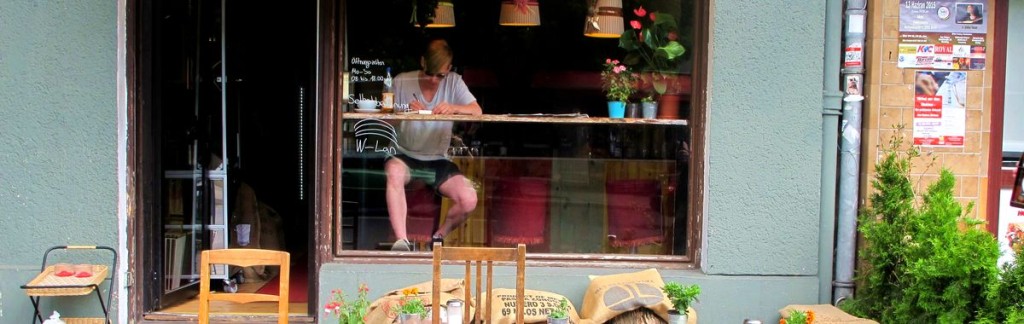
Berlin-Neukölln: From problem child to prodigy?
It is presumed to be the most colourful, multinational and omnicultural of Berlin’s districts: Neukölln, whose reputation – up to the not too distant past – could be considered controversial at best. Predominantly low-income (German) residents alongside a high rate of immigrants touching the 40 per cent mark have been benefitting from affordable rents and been trying to make ends meet remote from posh Berlin areas. Diverse beliefs; traditions; habits; tongues; skins or dress codes hailing from alien ethnic backgrounds not seldom ignite the precarious potential for social conflict. Better-off Berliners and visitors to the city alike preferred to stay at a safe distance for a reason. Yet, by avoiding the confrontation with a challenging reality, they simultaneously missed out on “glamour” of a quality only thriving in microcosms such as Neukölln.
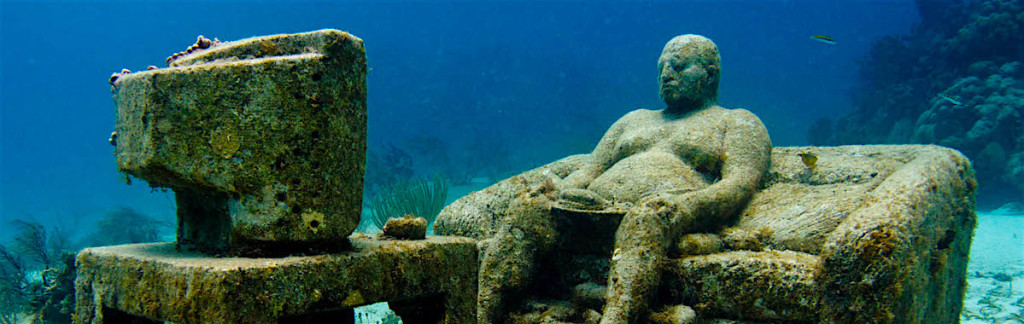
Wet, wet, wet: The Museo Subacuático de Arte in Mexico
Most of the time, satisfying one’s cultural hunger can easily be accomplished by simply walking into a museum. Theoretically. Yet, the Museo Subacuático de Arte, located in different sites on the map of Mexico, demands a little more effort than that – but surely does offer an additional thrill: its life-size exhibits are mounted to the seabed and thus best inspected in the sporty scuba-diving or snorkeling mode. Accelerated heartbeat assured. Those who would rather keep their noses above sea-level are invited to explore the arcane population of underwater sculptures conveniently aboard a glass-bottomed boat, with or without a preceding jungle tour.

South Australia: All-rounder Adelaide
Where the living is easy, fish are jumping and the conferencing is green
The dynamic city of Adelaide, situated west of where the cotton is high on the Australian continent, seems to have struck it lucky in many respects. Blessed not only with a mild, mediterranean climate and the flattering reputation of being cultured and inspiring, its fortunate citizens also benefit from a value-for-money ratio that allows them to maintain a pleasant and easy-going existence in a safe and clean environment close to a deep-blue sea brimming with resources. Adelaide also throws the frequent mouth-watering feast or festival, lushly catering to the gourmet side of life, and is thus rightly considered South Australia’s undisputed capital of fine cuisine and a good drop of wine here and there. Renowned wine regions – such as the Barossa – are a mere stone’s throw from the city.
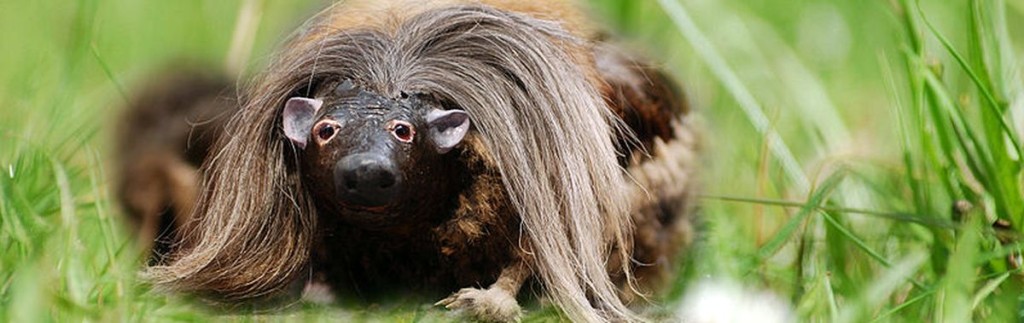
Scotland: Is the Wild Haggis fact or fiction?
Bringing down the rare Haggis scotticus – the Wild Haggis – to secure the next traditional Haggis meal – requires utmost agility and perseverance by human persecutors equipped with equally-measured lower extremities. One must know that Wild Haggii vary in characteristics and that it is two different genera who roam steep and rough highlandish terrain. In both cases the legs on their left are different in length from the ones on their right – and vice versa. Either way, their unusual physique allows them to swiftly climb and scuttle around their regular habitat unperturbed by topographical challenges, albeit in one single direction only: Wild Haggii featuring longer legs on the left, move around clockwise, whereas the ones relying on extended limbs on their right, will logically proceed counter-clockwise. A refined GPS system usually prevents painful head-on collisions and all Haggii, limbed in whichever fashion, are said to lead a fairly peaceful coexistence.