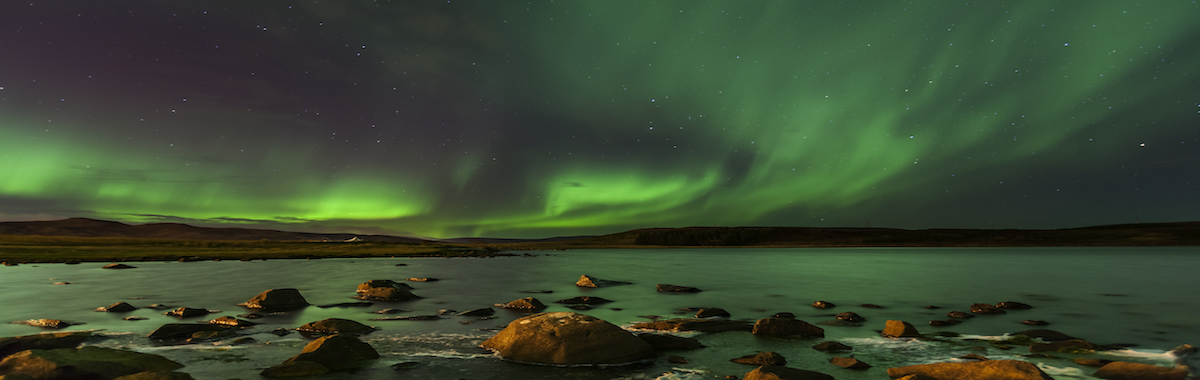
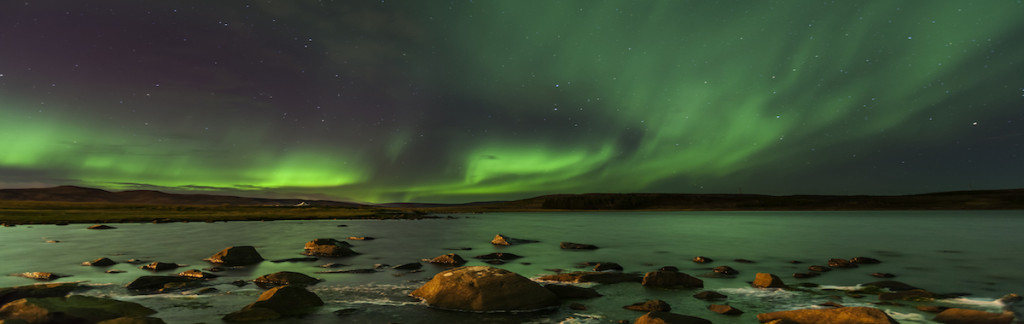
When mystical veils of polar lights are wafting across northern skies in unknown shades of green, observers from near and far are eager to come and watch the stunning spectacle. A great many people have the Aurora Borealis on their bucket list of things to do at least once in a lifetime. Witnessing the awesome natural miracle when in Iceland can happen in the most comfortable of ways: by dreamily lying on one’s back underneath the transparent skin of an unconventional „hotel“ room in the shape of a bubble. Glamping under a canopy of stars means freedom and shelter at the same time.
Posts in category: Article
Climate Change: Hell and High Water
Earth is littered, no doubt. She is being pummelled by more categories of pollution a regular person may be able to conjure up. It lingers on/in ground, water and air and thus permeates our entire global ecosystem that is now striking back with opposing evils like drought and floods. The average polluter may be unaware of the toxic substances wafting in their immediate neighbourhood and that also their bodies have been invaded by them a long time ago.
Down by the Riverside: Glasgow’s Museum of Transport and Travel
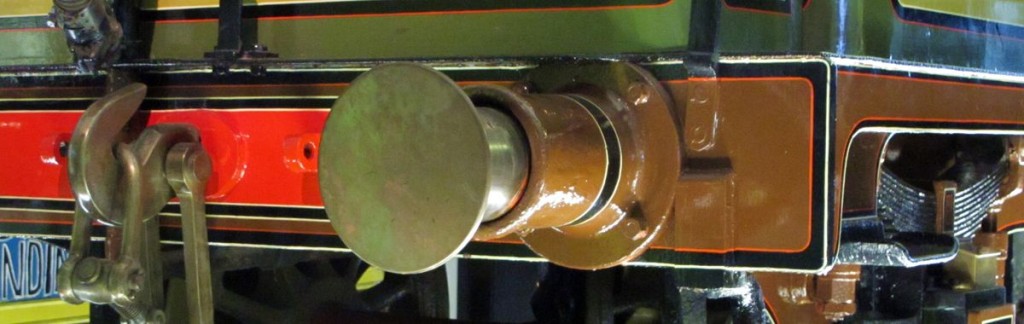
Whenever a building has been designed by Iraqi-born star architect Zaha Hadid, it is destined to become an award-winning landmark that attracts maximum attention. The Riverside Museum, Scotland’s Museum of Transport and Travel set on the north bank of the River Clyde in Glasgow, profits from a combined power: the magnetism exerted by a contemporary architectural shell of attested refinement and the veteran exhibits restored to enchant present and future crowds. The Riverside accommodates more than 3,000 objects that profoundly document the city’s transportation-linked past – maritime and otherwise.
The science of coffee-brewing in Vienna
Coffee is not just an invigorating brew but rather a scientific field of expertise worth being explored. Barista Schools popping up the world over bear witness to the cognition that a cup of coffee is not something to be prepared in one’s stride. It is a challenge that deserves care and devotion at least as deep as is granted to the meticulously performed Asian Tea Ceremony.
Here in Vienna, each type of coffee is honoured with its individual cryptical name – the least one could have done for a treasure accidentally left by the Ottomans after their siege of Vienna in 1683. Apart from war and devastation, the Turks had brought along with them a culinary novelty Viennese citizens had later discovered in an abandoned Turkish camp: bags full of precious coffee beans. Jerzy Franciszek Kulczycki, a Polish-Lithuanian nobleman, had claimed the lot and opened Vienna’s first coffeehouse in the same year.
The Doppler Effect: Mysterious wavelengths
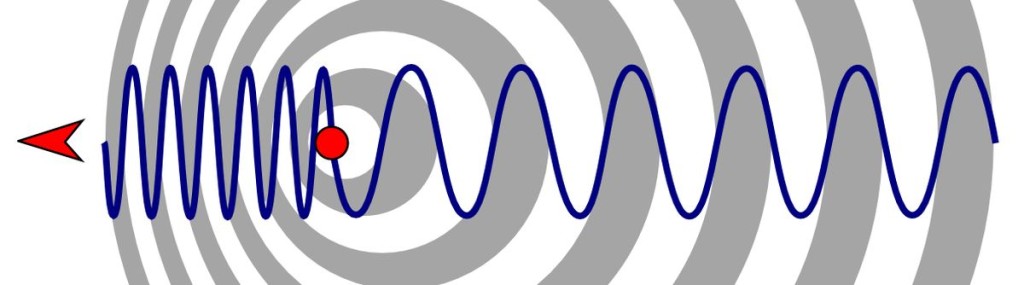
Zzzzzzzzzzp! Flash! There you go! A spiteful and cowardly camouflaged radar trap has lashed out at you once again, and another costly and questionably handsome snapshot is on its way into your post box. Fuming traffic offenders are said to have clandestinely returned to the place of crime to take revenge – fortified by a bunch of best-friends’ hercules’s and in order to punish the wicked contraption out of its wits. Ignoring, that there’s sure to be another invincible clone around the next corner. Instead of adding up on the offence front, avoiding speeding and/or respecting red traffic lights may actually do the trick fairly well and entail far less trouble: It allows short tempers to lie dormant just a little longer and lends bank statements a so much more encouraging appearance. Similar to police records …