If there were a scale for guests on which to classify their own attitude and demeanour while staying at a hotel, most would probably describe themselves as the tidy, clean, polite, honest, considerate and fidel type – who, there’s evidence, does exist. We consider ourselves the best examples of that righteous species and are embarrassed by those guests who behave as though they were holding a non-restrictive jester’s licence of international validity.
Posts about Demeanour
TED Talk: How to beat stage fright
Phobias: A Plague or Mutations of the Basic Instinct?
Phobia is Greek and means to be afraid of something. In the non-Greek world, it is mainly used in psychological terms, signifying severe fear as in: terrified and: neurotic and: in need of professional treatment. Those in the grip of a veritable phobia are panic-stricken and paralyzed when it comes to tackling certain situations. Phobias are relics of our evolutionary past and were quite useful back then. Should a ferocious sabre-toothed tiger – teeth bared – spring up inadvertently from the undergrowth with an intimidating roar, the primitive brain would switch to red-alert and reliably signal to the short-legged homo erectus: RUN as fast as you can! It was a matter of survival, and the same basic instinct takes control over us in perilous situations until this day.
Germany’s Blockbuster: Neuschwanstein Castle
When the King is a Queen
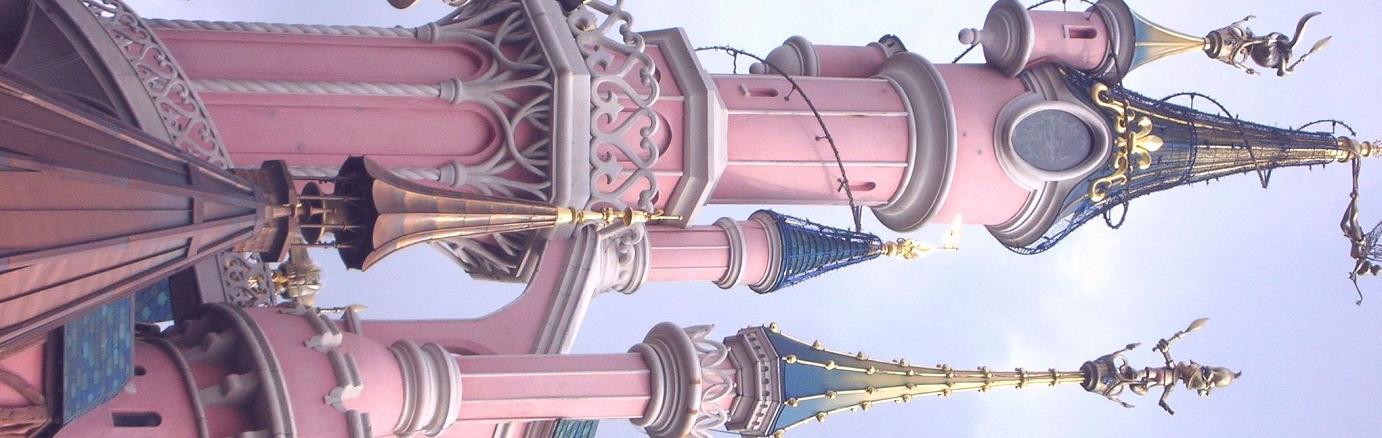
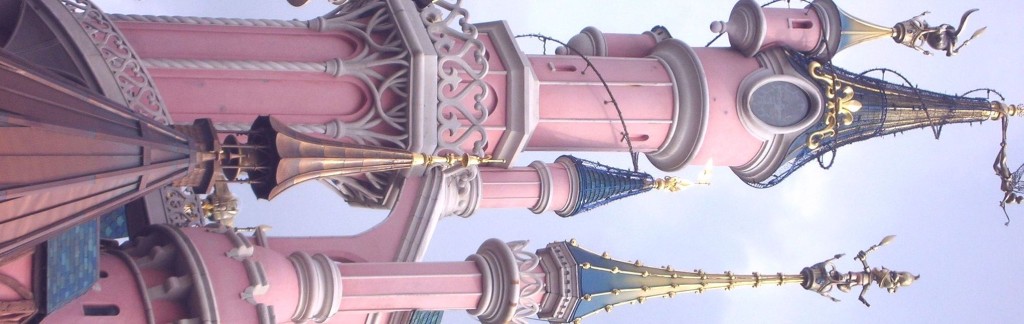
As is endorsed, Schloss Neuschwanstein, Germany’s prime tourist attraction perched on a steep rugged rock deep in Bavaria, served as a role model for what was to become the epitome of a castle eligible for the classical Disney story. Its silhouette was even chosen for the logo of the Walt Disney Studios. The elaborate palace is a real estate shrouded in ever-lasting mystery and thus an ideal venue for the incarcerated, bewitched or poisoned princess desperately waiting to be swept away by the handsome heir to whichever throne.

TED Talk. Paul Greenberg: The four fish we are overeating
“Grinding Nemo”
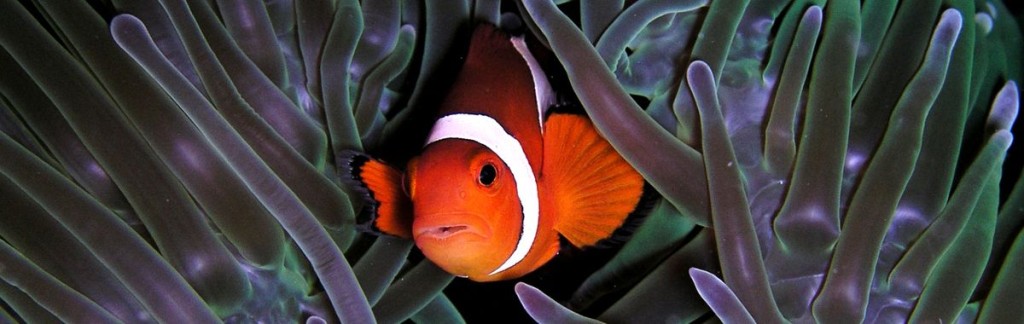
Overfishing is only half of the story, says Paul Greenberg in his talk. The other half is about the boom in fish farming and aquaculture, which – over the past few years – has started to exceed the amount of wild fish produced. In America and a great part of the Western World, shrimp is by far the most consumed seafood. 5, 10, 15 pounds of wild fish – deemed trash fish by the fishing industry – are killed to bring one pound of shrimp to the market. Filmmaker Mark Benjamin called the phenomenon “Grinding Nemo“: Shrimp dredgers vacuum up a huge amount of by-catch that is then minced and turned into shrimp feed. An „ecosystem literally eating itself and spitting out shrimp“. A recent study has found that dredging for shrimp represents one of the most carbon-intensive ways of fishing there is.
Electronic Waste: Intoxicating Agbogbloshie
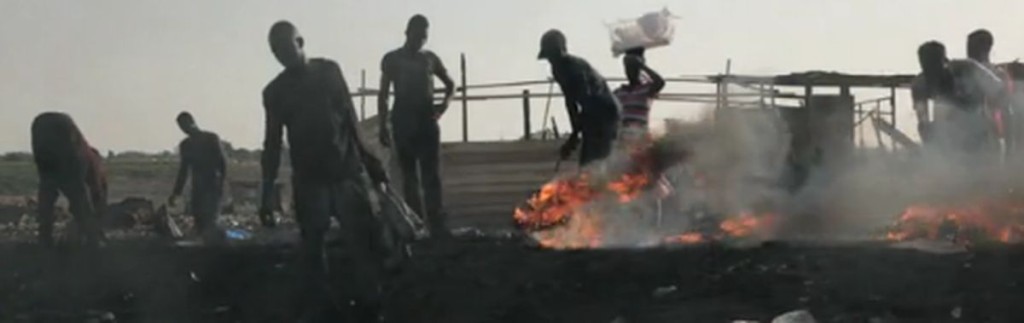
At breathtaking speed, our world is being inundated with ever more sophisticated electronic equipment. Devices hardly a year or two old, are replaced at increasing frequency, to be cashed in or be thoughtlessly dumped for the next much fancier gadget. Most “outdated” models are added to a recycling bubble already straining at the seams. Considering that resources are scarce and thus valuable, this rotation system is still unrivaled. Yet, have you ever wondered how – and above all – where, your discarded cell phone, laptop or PC may have ended up eventually? More than half of the electronic waste from, for e.g., the United States, is shipped to countries fairly ignorant of environmental issues – like for instance to China, India or Ghana in West Africa. A Boston-based company is shining a light for sensible recycling worth copying.