It’s Christmas time – again – and most of us are sucked up by the current that swashes along with it. Year by year, it seems to be swashing earlier and to suck more. Easter rabbits have hardly vanished from shelves, August-heat still blazing and: forward come chocolate Santa Clauses and gingerbread loaves, twinkling stardust-sprinkled Christmas balls and light chains. By October, carols obtrusively blaring from loudspeakers near and far have long lost their magic – and meaning. In November, commerce and media insist that it is high time for us to finalise our Christmas shopping, and we are constantly reminded of the fact that the western-world citizen spends on average around 300 Euros on presents alone. Those who won’t comply, will forever be stigmatised as stingy misanthropists, who – not even for the holiest of occasions – overcome their revolting parsimony.
Topic: Global
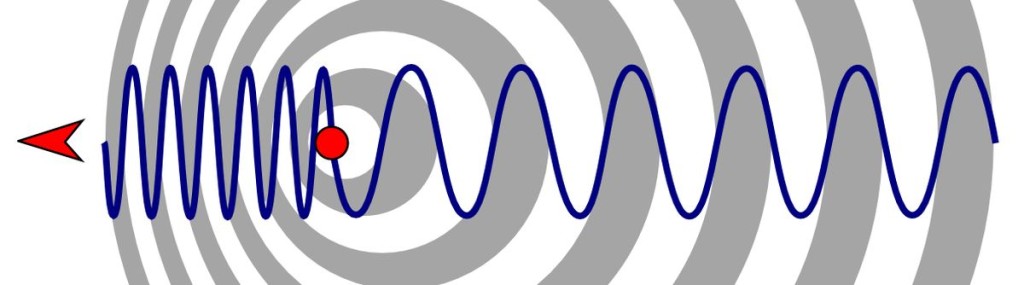
The Doppler Effect: Mysterious wavelengths
Zzzzzzzzzzp! Flash! There you go! A spiteful and cowardly camouflaged radar trap has lashed out at you once again, and another costly and questionably handsome snapshot is on its way into your post box. Fuming traffic offenders are said to have clandestinely returned to the place of crime to take revenge – fortified by a bunch of best-friends’ hercules’s and in order to punish the wicked contraption out of its wits. Ignoring, that there’s sure to be another invincible clone around the next corner. Instead of adding up on the offence front, avoiding speeding and/or respecting red traffic lights may actually do the trick fairly well and entail far less trouble: It allows short tempers to lie dormant just a little longer and lends bank statements a so much more encouraging appearance. Similar to police records …
TED Talk. Paul Greenberg: The four fish we are overeating
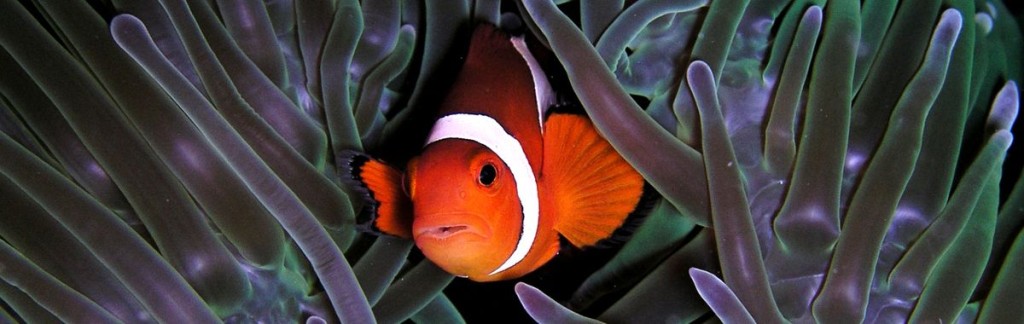
“Grinding Nemo”
Overfishing is only half of the story, says Paul Greenberg in his talk. The other half is about the boom in fish farming and aquaculture, which – over the past few years – has started to exceed the amount of wild fish produced. In America and a great part of the Western World, shrimp is by far the most consumed seafood. 5, 10, 15 pounds of wild fish – deemed trash fish by the fishing industry – are killed to bring one pound of shrimp to the market. Filmmaker Mark Benjamin called the phenomenon “Grinding Nemo“: Shrimp dredgers vacuum up a huge amount of by-catch that is then minced and turned into shrimp feed. An „ecosystem literally eating itself and spitting out shrimp“. A recent study has found that dredging for shrimp represents one of the most carbon-intensive ways of fishing there is.

Danish Bricks build corporate Teams
One cannot wait to grow up and finish school. One graduates from an obscenely expensive university with a brain full of sophisticated knowledge and embarks on professional life with the greatest of expectations. And what could happen next? One ends up laying Lego bricks in order to develop strategies or to find a solution to a stalemate situation! Sounds a bit far-fetched? Well, it isn’t, really. Helping to clear corporate obstacles out of the way playfully is what the methodology thought up by the Danish toy-brick company is all about.
TED Talk. In Slow-mo or Time Lapse: Awesome Wonders of Nature
A Treasure Trove for Science
Surely you have seen dragonflies hover. But did you know that they were also capable of flying backwards? Or even up-side down like a vintage double-decker during a daring air show? And that they could activate each one of their four wings separately – working at varying speed and propelling in different directions, all at the same time? Today it is possible to shoot images that are thousands of times faster than our own vision. Or slower. We can see how nature’s devices work – and imitate them. Helicopters or mechanical drones pretty much simulate the congenial dragonfly’s techniques. We live in a world of invisible beauty, too subtle to be perceptible to the human eye. Louie Schwartzberg shows breathtaking images during his fascinating TED talk.