It’s Christmas time – again – and most of us are sucked up by the current that swashes along with it. Year by year, it seems to be swashing earlier and to suck more. Easter rabbits have hardly vanished from shelves, August-heat still blazing and: forward come chocolate Santa Clauses and gingerbread loaves, twinkling stardust-sprinkled Christmas balls and light chains. By October, carols obtrusively blaring from loudspeakers near and far have long lost their magic – and meaning. In November, commerce and media insist that it is high time for us to finalise our Christmas shopping, and we are constantly reminded of the fact that the western-world citizen spends on average around 300 Euros on presents alone. Those who won’t comply, will forever be stigmatised as stingy misanthropists, who – not even for the holiest of occasions – overcome their revolting parsimony.
Posts about Traditions
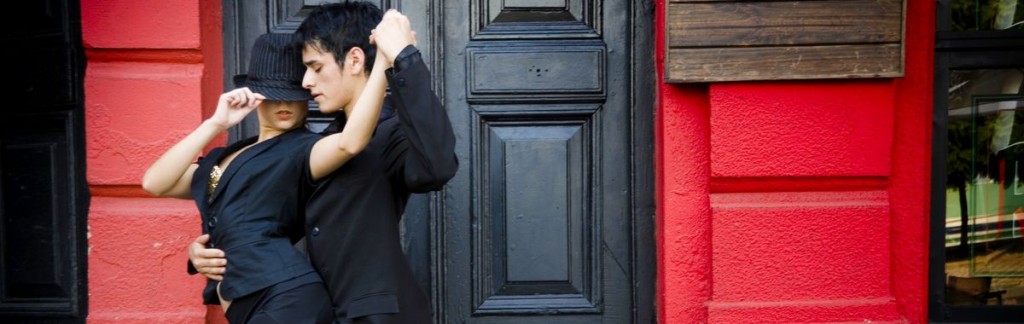
Buenos Aires: An ageless Latin Seductress
The most enchanting characteristics of Argentina’s capital may not be entirely genetic in terms of having grown from an indigenous seed – as accounts perhaps for other metropolises. Buenos Aires’ obvious charm is much rather the result of the Old World wanting to settle in the new one without abandoning their familiar ways and traditions. Immigrants arriving to the country during the nineteenth century created a fascinating mix of distinct ‘European’ style neighbourhoods by lending their foreign identities to acquired territory: Madrid is now in Avenida de Mayo, Paris in Recoleta and Alvear Avenue or Naples in La Boca. Downtown Buenos Aires exudes the atmosphere of grand colonial times to this date. Spanish, Italian and French cultures made sure to also leave their legacy in sectors such as education, art, architecture and gastronomy.
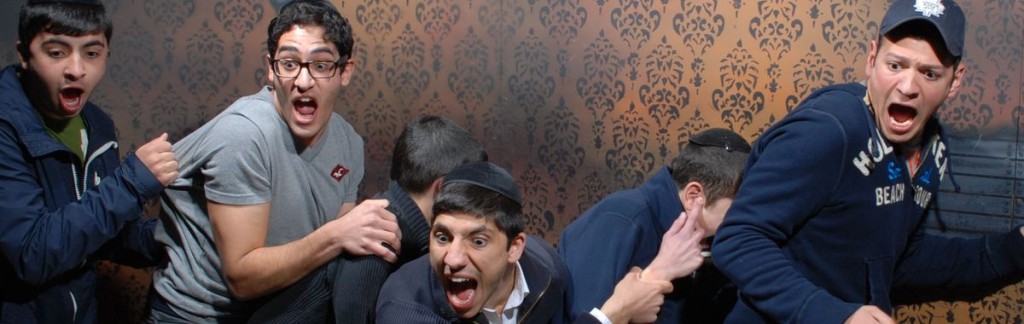
Niagara Falls Canada: Halloween 24/7
The Niagara Falls represent one of the most impressive wonders of nature of our day and rightfully enjoy their reputation as an untamed – and untamable – site of awesome beauty. Reason enough for Hollywood movie producers to have made this dramatic setting their filming location of ‘Niagara‘, starring Marilyn Monroe and Joseph Cotton as gullible wife and wicked husband.
Bloodcurdling fictional Hollywood stories aside: What comes now is REAL! The Nightmares Fear Factory calls itself ‘the scariest and best haunted-house attraction in Niagara Falls Canada’.
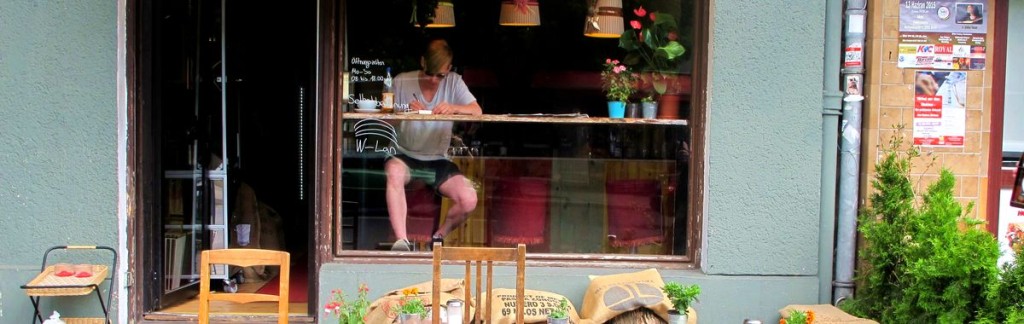
Berlin-Neukölln: From problem child to prodigy?
It is presumed to be the most colourful, multinational and omnicultural of Berlin’s districts: Neukölln, whose reputation – up to the not too distant past – could be considered controversial at best. Predominantly low-income (German) residents alongside a high rate of immigrants touching the 40 per cent mark have been benefitting from affordable rents and been trying to make ends meet remote from posh Berlin areas. Diverse beliefs; traditions; habits; tongues; skins or dress codes hailing from alien ethnic backgrounds not seldom ignite the precarious potential for social conflict. Better-off Berliners and visitors to the city alike preferred to stay at a safe distance for a reason. Yet, by avoiding the confrontation with a challenging reality, they simultaneously missed out on “glamour” of a quality only thriving in microcosms such as Neukölln.